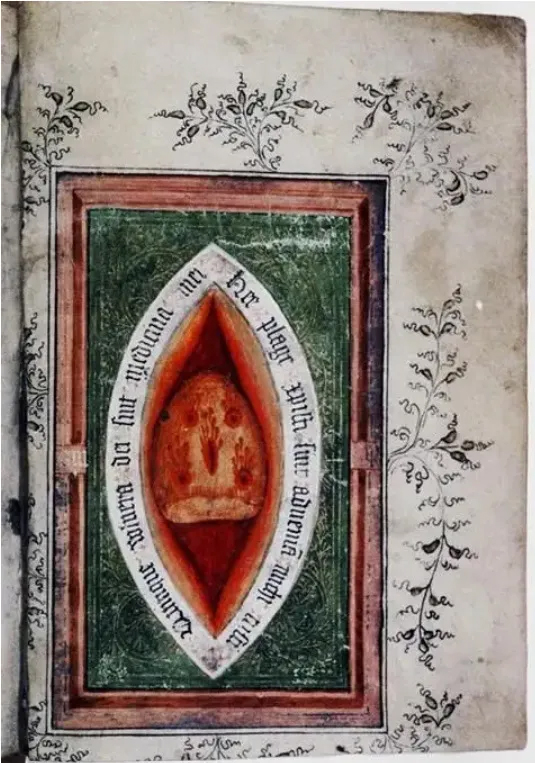
Vulva Island 2024
https://www.z33.be/programma/kunst-aan-de-maas-een-reisverslag/
NL
Vulva Island, een sculptuur van Michèle Matyn in Bichterweerd, Dilsen-Stokkem
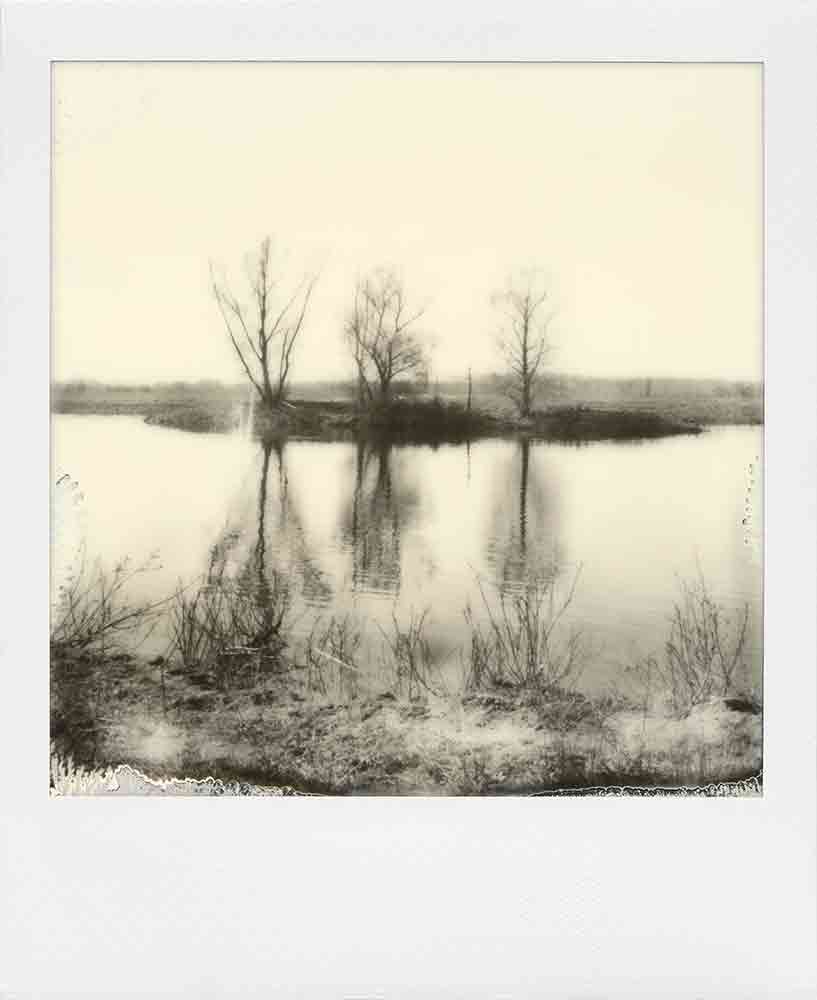
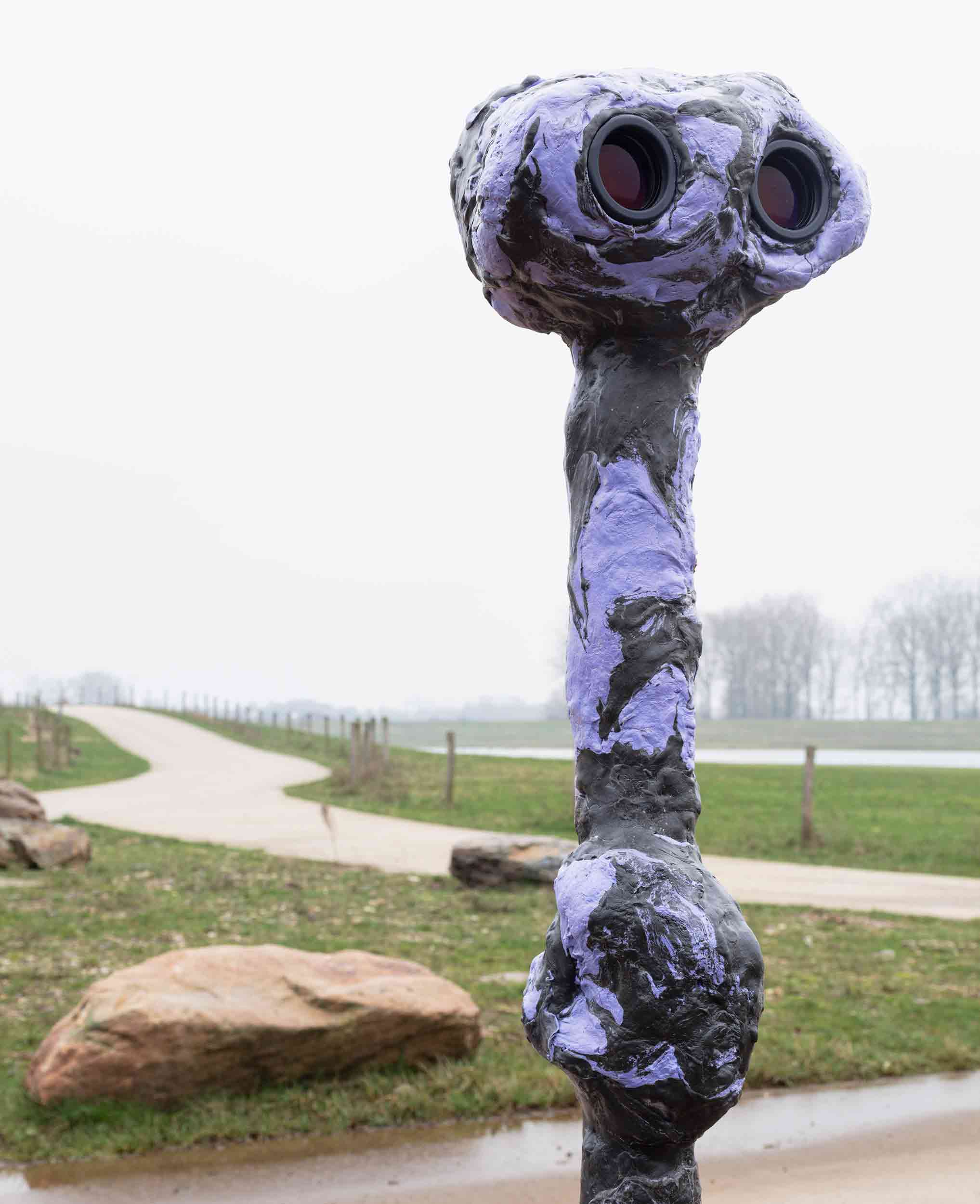
Bichterweerd is een ware kraamkamer voor de natuur. Zeldzame soorten zoals de grauwe gors, oeverzwaluw en geelgors zijn er thuis. De Belgische kunstenares Michèle Matyn (°1978) ontwierp vier verrekijkers waarmee je – net als de vogelaars die hier vaak postvatten – de omgeving kan afspeuren.
Water als bron van leven
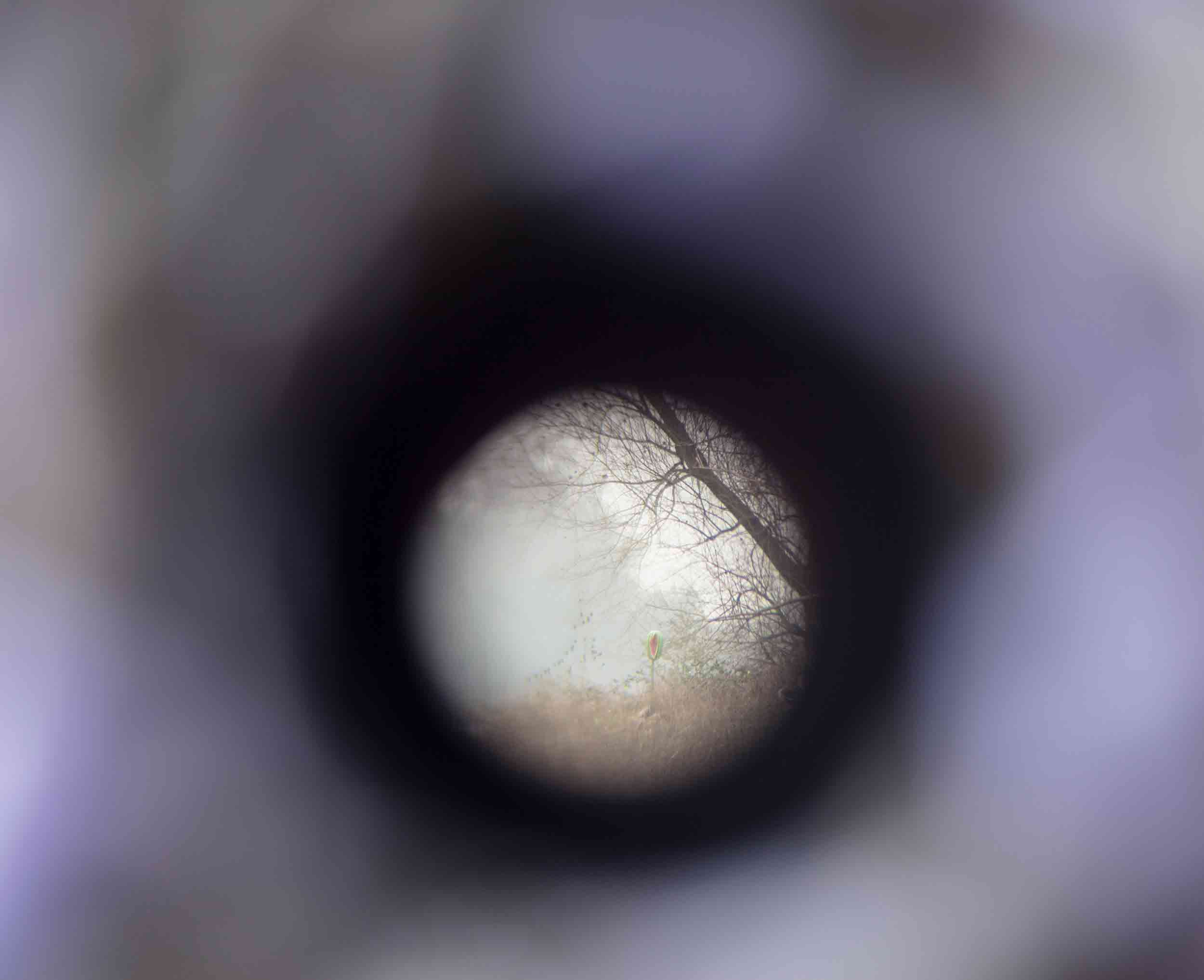
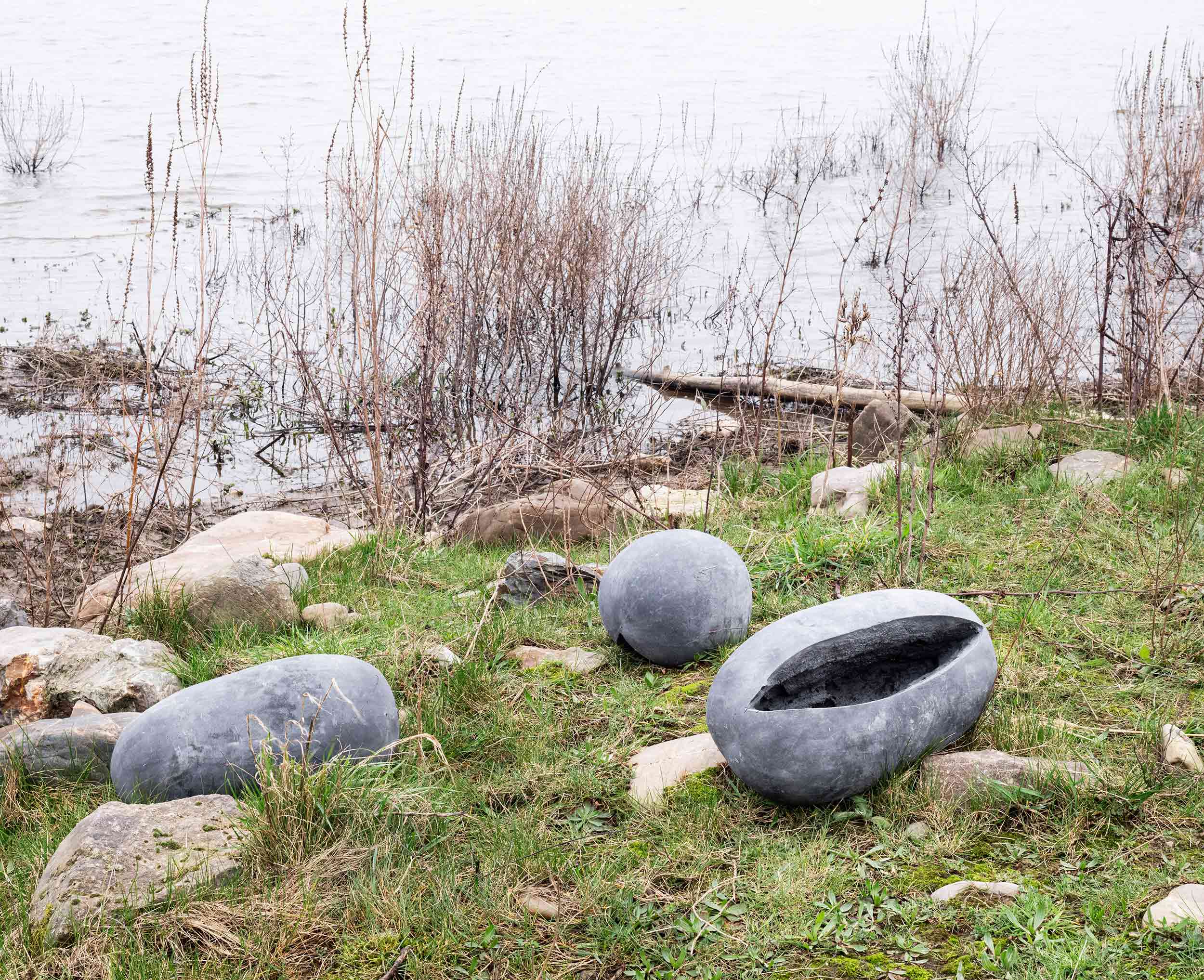
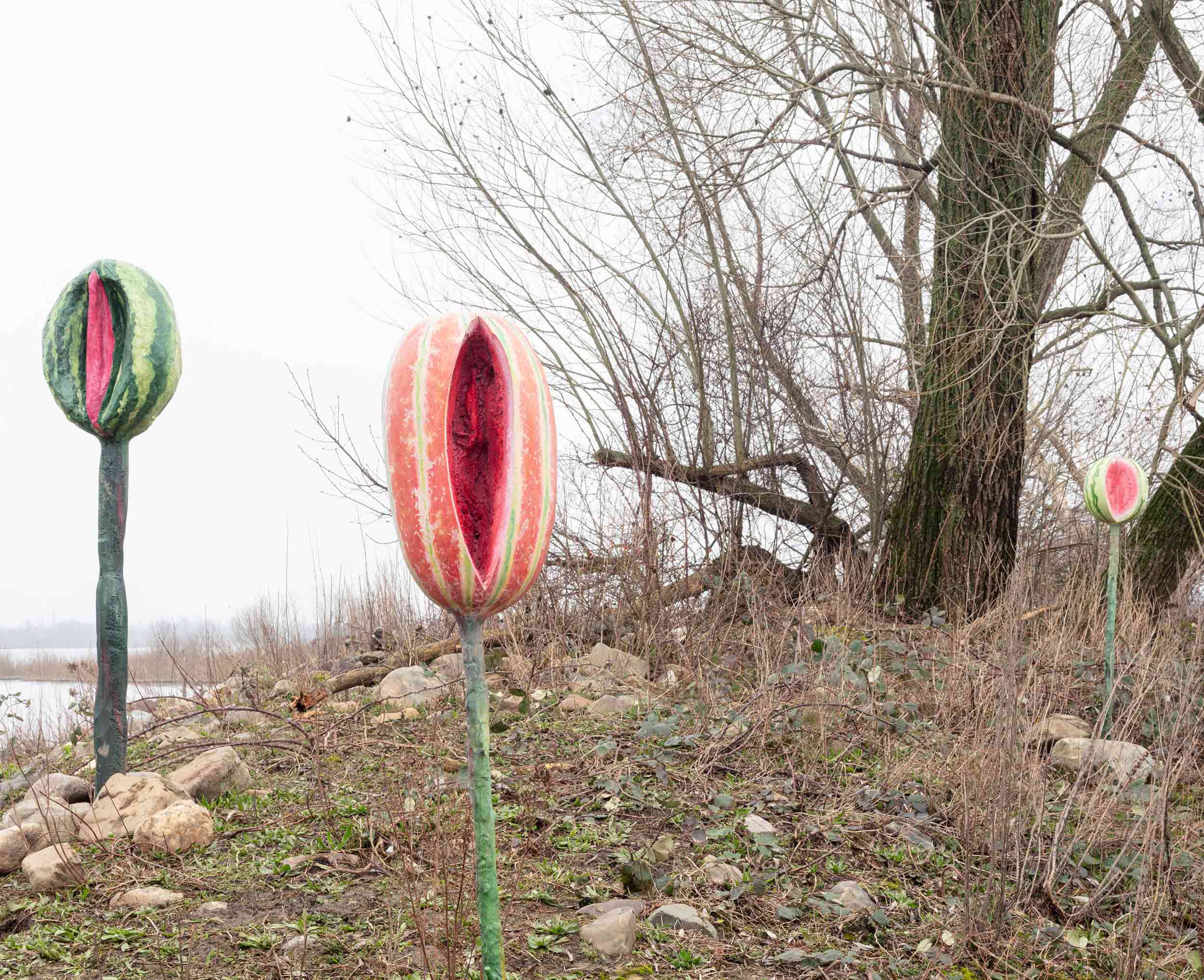
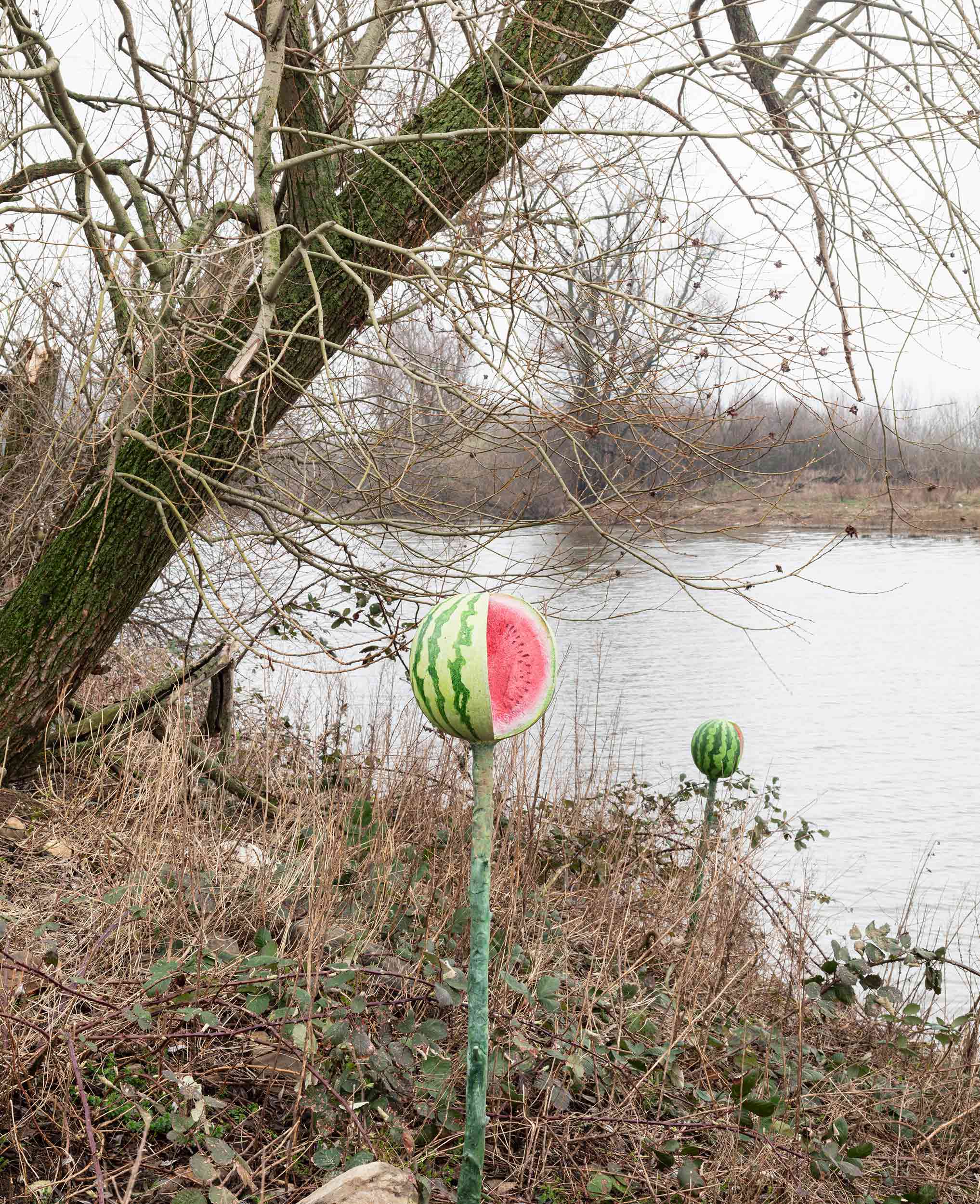
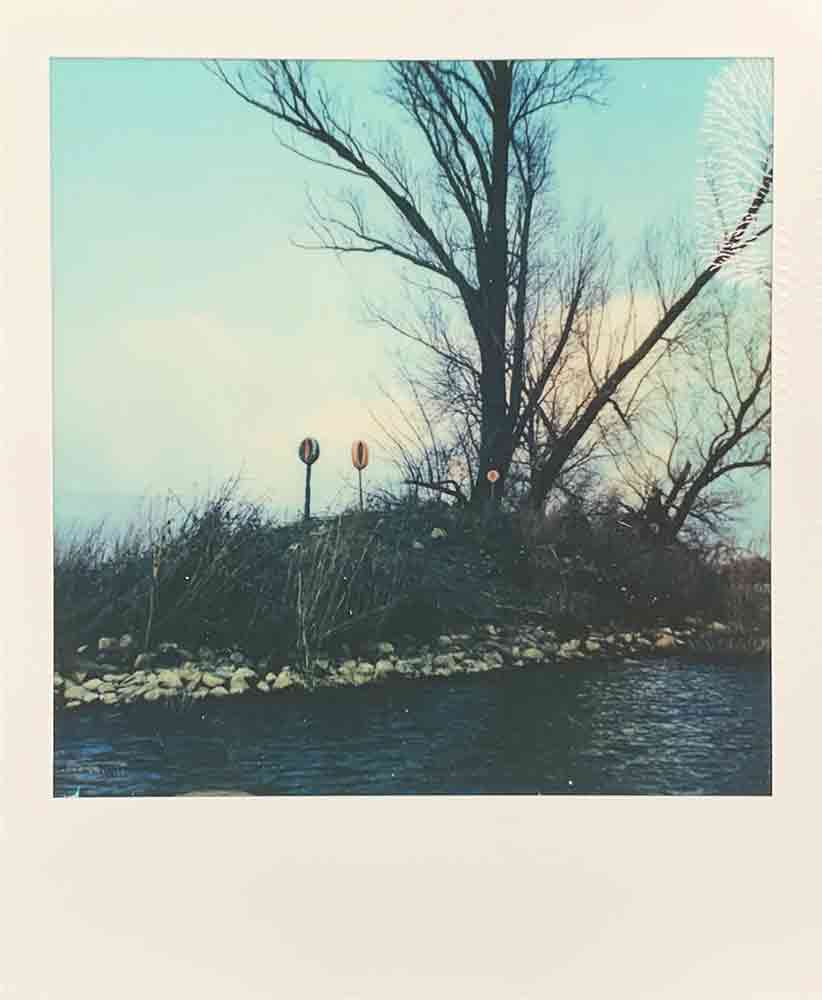
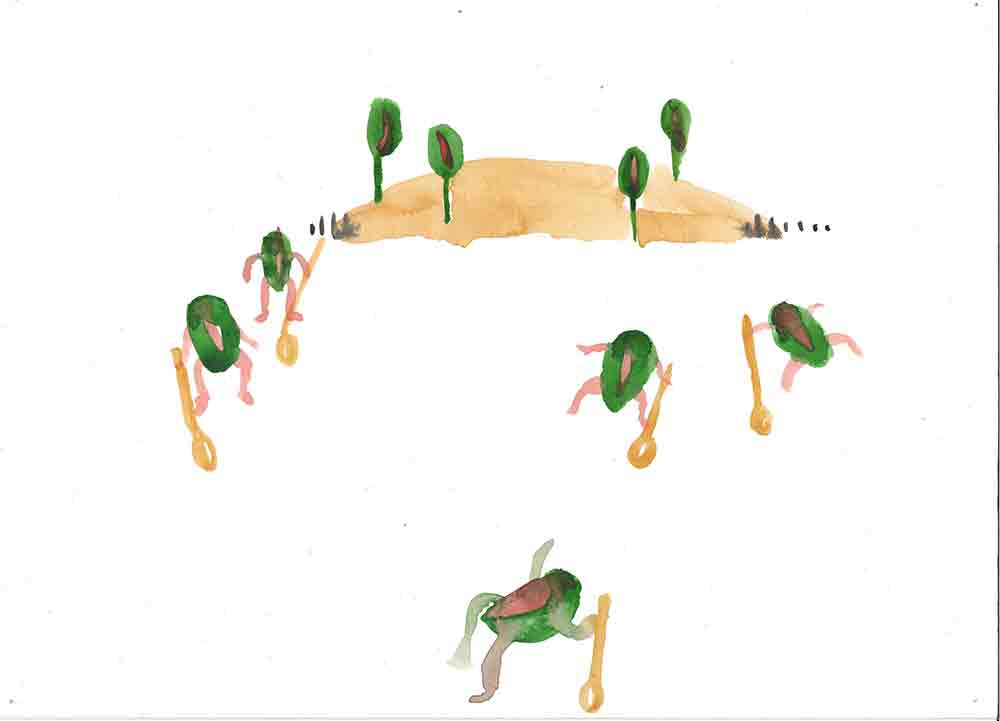
Wie naar het eiland loert, ziet zes groen-rode figuren. De zes sculpturen hebben weliswaar een eivorm, maar hun groene en rode kleuren doen eerder denken aan een watermeloen.
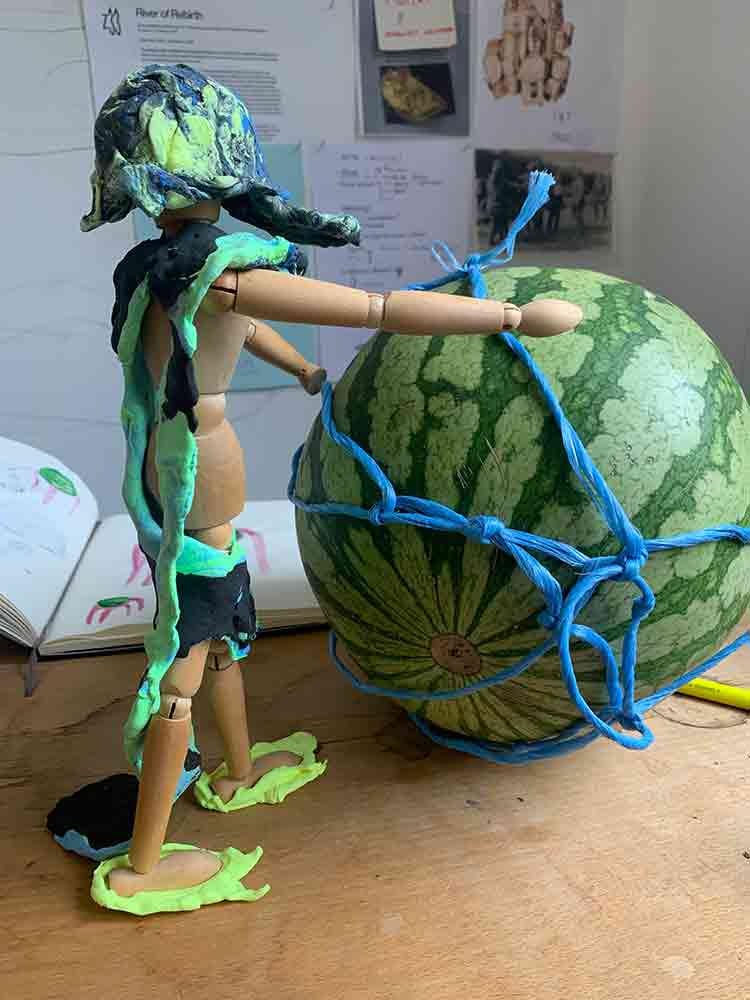
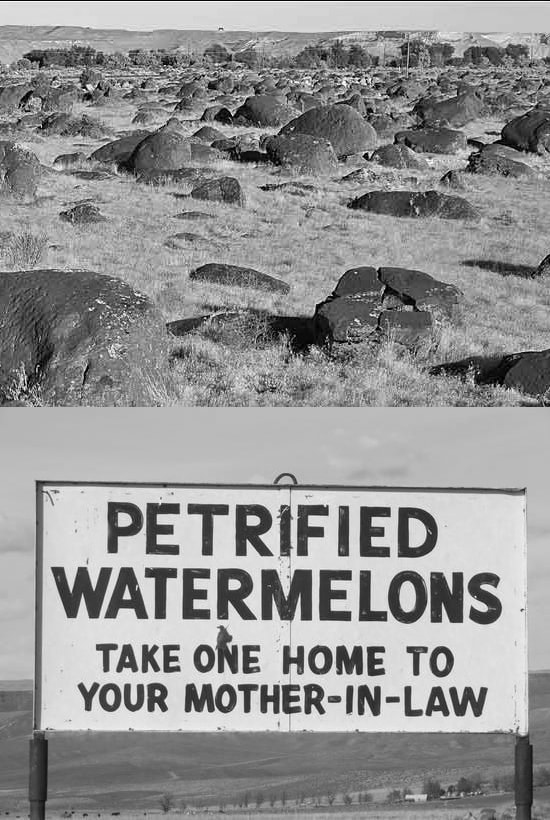
Deze associatie lijkt vergezocht maar is dat allerminst: in de kunstgeschiedenis komen watermeloenen veelvuldig voor als vruchtbaarheidssymbool, van het oude Egypte tot in de 17de-eeuwse Vlaamse schilderkunst. Een verklaring hiervoor kan gezocht worden in het feit dat watermeloenen enorm snel groeien en bomvol water zitten. Woestijnreizigers nemen ze zelfs mee als waterfles. Op die manier staan Matyns sculpturen niet alleen symbool voor de natuur op het broedeiland, maar ook voor water als bron van leven.
Vogelman
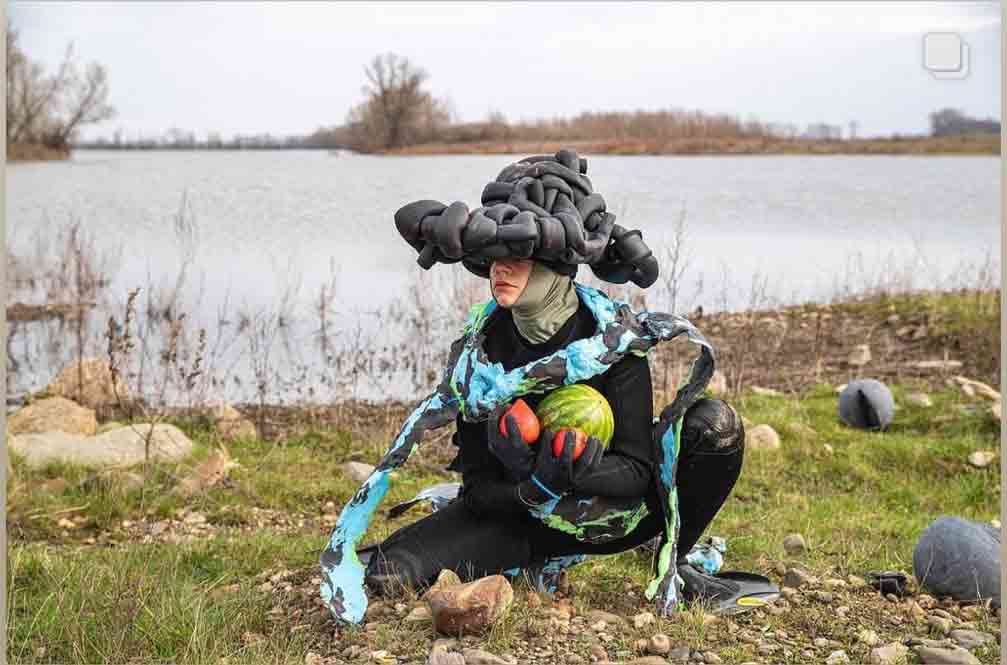
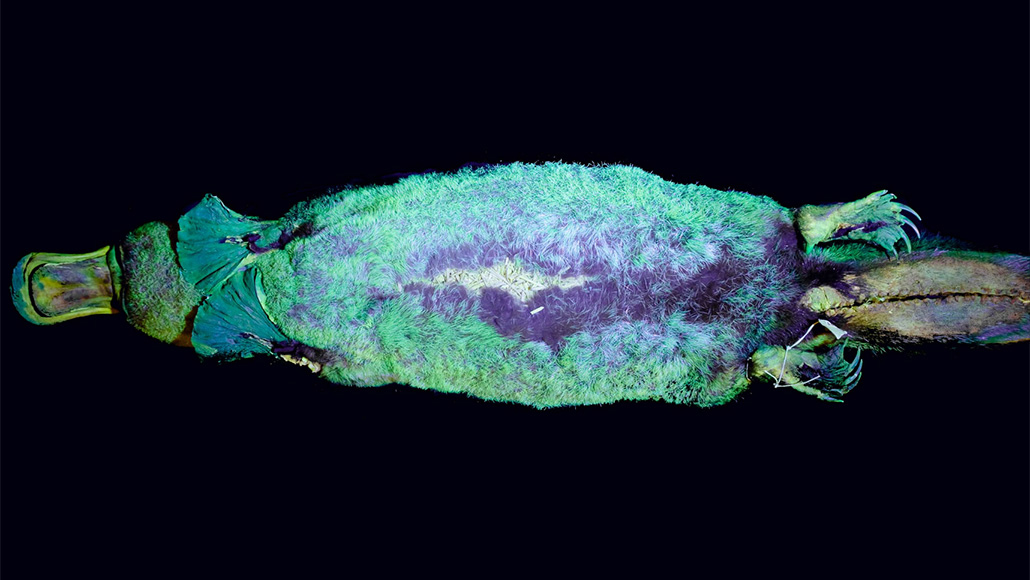
Michèle Matyn ontwikkelde voor dit kunstwerk een performance rond de figuur van de vogelman, een mythisch wezen dat half mens en half vogel is. Hij beweegt zich tussen het vasteland en het eilandje, en lijkt nog het meest op een Platypus of vogelbekdier. Hoewel de vogelman zich zelden laat zien, vind je zijn sporen – die ontstaan zijn door zijn performances – overal rondom het eiland.
https://kunstaandemaas.be/kunst/michele-matyn/
BIO Michèle Matyn
Michèle Matyn (°1978) trekt met haar camera’s de natuur in. Ze sprokkelt er beelden en verhalen die ze vervolgens omzet in sculpturen, installaties, en performances. Haar gevoeligheid voor de natuur wordt gevoed door een grote interesse in eeuwenoude volksverhalen en gewoonten, antropologische mythen en sagen, en andere vertellingen over de grenzen tussen mensen, dieren en demonen. Matyns werk werd al op vele plekken getoond, onder andere in solotentoonstellingen in het M HKA en het Van Abbemuseum. Haar installatie “The Water Knows, Study for Pulcinella” was onlangs te zien in Z33.
ENG
Vulva Island, a sculpture by Michèle Matyn in Bichterweerd, Dilsen-Stokkem
Bichterweerd is a true nursery for nature. Rare species such as the corn bunting, sand martin, and yellowhammer call it home. Belgian artist Michèle Matyn (°1978) designed four binoculars with which you can scan the surroundings, just like the birdwatchers who often take up positions here.
Water as a source of life
Looking towards the island, you can see six green-red figures. Although the six sculptures have an egg shape, their green and red colors are more reminiscent of a watermelon. This association seems far-fetched but is far from it: in art history, watermelons frequently appear as fertility symbols, from ancient Egypt to 17th-century Flemish painting. This probably has to do with the fact that watermelons grow extremely quickly and are packed with water. Desert travelers even take them along as water bottles. In this way, Matyn’s sculptures not only symbolize the nature on the breeding island, but also water as a source of life.
Birdman
Michèle Matyn developed a performance for this artwork around the figure of the birdman, a mythical being that is half human and half bird. He moves between the mainland and the island, and most resembles a platypus. Although the birdman is rarely seen, his traces – created by his performances – can be found everywhere around the island.
https://kunstaandemaas.be/en/art/michele-matyn/
BIO Michèle Matyn
Michèle Matyn (°1978) ventures into nature with her cameras. She gathers images and stories, which she then translates into sculptures, installations, and performances. Her sensitivity to nature is fueled by a keen interest in ancient folklore and customs, anthropological myths and legends, and other tales about the boundaries between humans, animals, and demons. Matyn’s work has been shown in many places, including solo exhibitions at the M HKA and the Van Abbemuseum. Her installation “The Water Knows, Study for Pulcinella” was recently on display at Z33.
Practical Information
Art on the Meuse is an initiative of Z33, House for Contemporary Art, Design & Architecture (Hasselt) and Regionaal Landschap Kempen & Maasland.
The project is supported by Flanders, in particular by Tourism Flanders and the Cultural Infrastructure Fund (FoCI), and the five Flemish Meuse municipalities (Kinrooi, Maaseik, Dilsen-Stokkem, Maasmechelen and Lanaken). The project is being carried out in cooperation with numerous actors who are active in the Meuse valley.